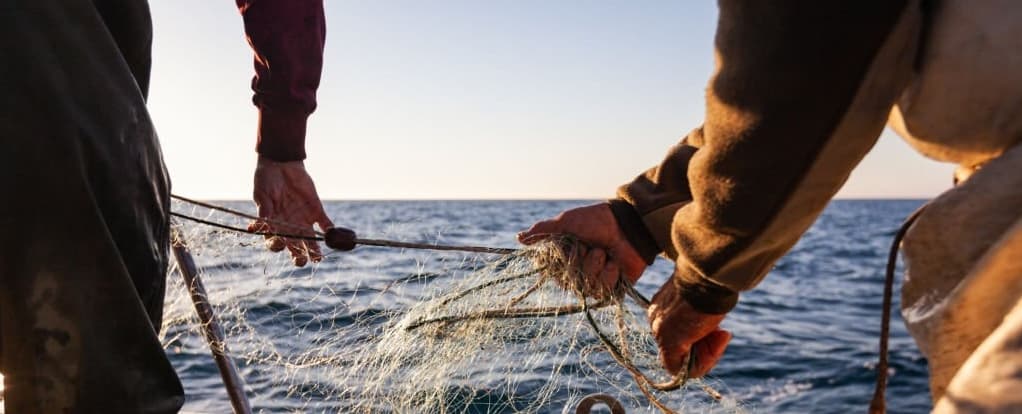
Sustainably Wild-Caught in Australia
Processed in Queensland.
The Waters
Eastern School Whiting
Sillago flindersi
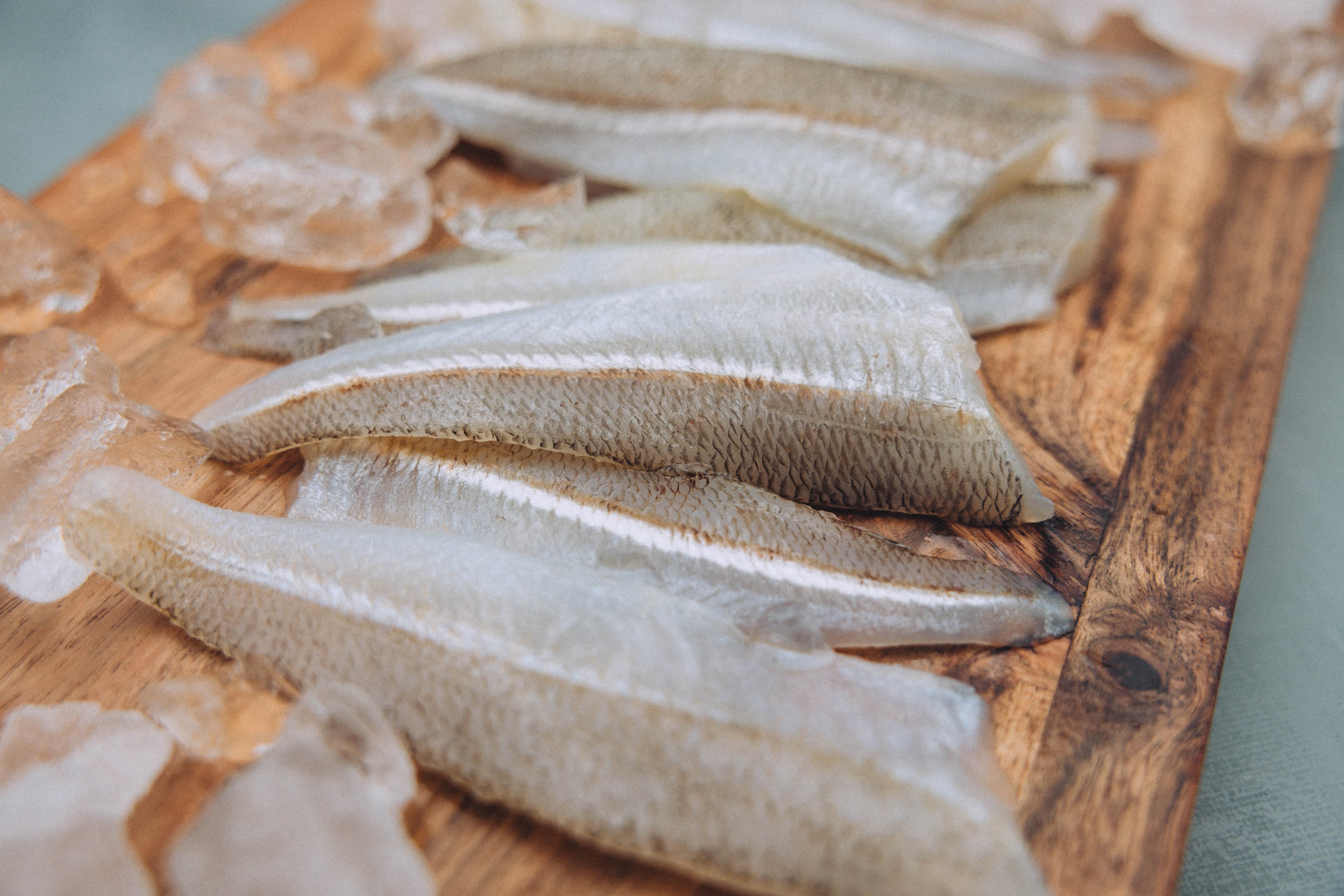
Eastern School Whiting is endemic to south-eastern Australia, found from southern Queensland to western Victoria and the east coast of Tasmania. It is classified as a sustainable stock by the Australian Government's independent fishery assessments, managed under the Southern and Eastern Scalefish and Shark Fishery.
The species is prized for its sweet, delicate flavour and versatile texture. Careful, responsible harvesting ensures this native Australian fish remains abundant for generations to come.
We Own Every Step
Catch
Wild-caught in Australian waters
Process
Prepared in Queensland
Pack
IQF and fresh formats, quality controlled
Deliver
National and international supply
The Practice
Responsible Harvesting
Our whiting is caught using methods regulated by the Australian Fisheries Management Authority under strict quota management. Catch limits are set annually based on independent scientific stock assessments, ensuring populations remain healthy and productive.
We operate under both Commonwealth and state fisheries management frameworks, with controls including limited entry, gear restrictions, area closures, and catch quotas. Our commitment goes beyond compliance — responsible harvesting is how we protect the resource our family depends on.
Processed in Queensland
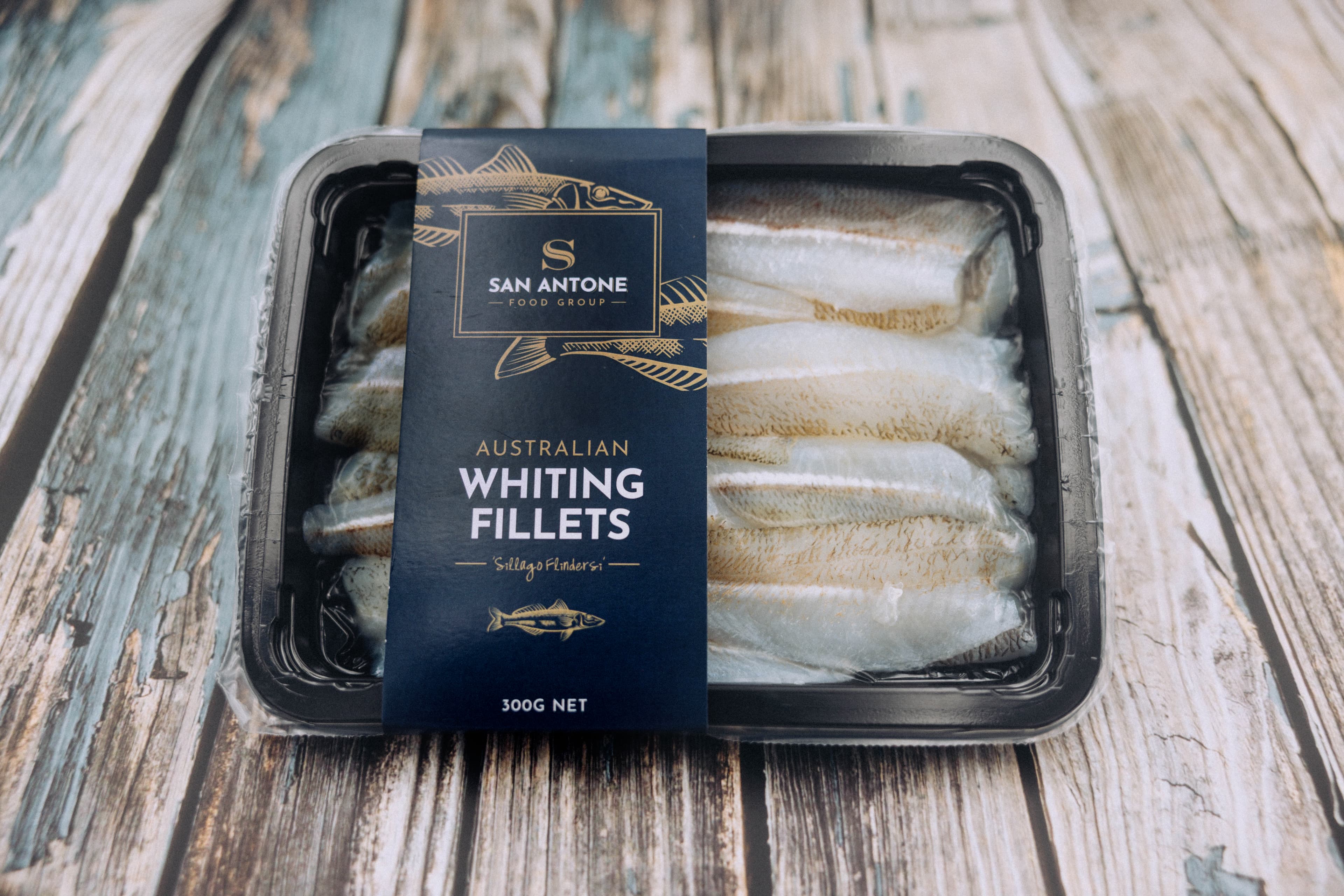
All San Antone products are processed in our Queensland facility, ensuring full traceability from catch to carton. Our IQF (Individually Quick Frozen) technology preserves the natural flavour, texture, and nutritional value of every fillet.
We're actively investing in systems that will give our partners even clearer visibility of where their product comes from and how it reaches them — because we believe the future of Australian seafood belongs to those who can prove their story, not just tell it.
The Commitment
Where the Industry Is Heading
The Australian seafood industry is entering a period of significant change. New environmental legislation — including the establishment of a National Environmental Protection Agency from July 2026 — is raising the bar for accountability across the sector. Globally, major markets including the EU, the US, and Japan have already introduced seafood import traceability frameworks, with pressure growing for Australia to follow.
At San Antone, we welcome this direction. Greater transparency and traceability benefit producers who do things the right way.